Fall allergy cleaning tips for ragweed season in Hampton Roads
Ragweed pollen can enter Hampton Roads homes during late summer and fall. Open windows, shoes, and long-haired pets may carry it indoors. Once airborne, particles settle on floors, furniture, bedding, and other surfaces.
Many people with allergies spend more time inside when pollen and mold levels rise. That makes indoor air quality especially important. Dust mites, pet dander, mold, and cockroaches can also trigger symptoms or asthma.
This guide gives you a clear, room-by-room plan. You will learn how to reduce outdoor allergens, protect your home, and limit exposure without relying on unnecessary products. Simple choices, such as closing windows, using a HEPA filter, and changing clothes after outdoor time, can make a real difference.
For regional pollen timing, review this guide to Virginia allergy season. Then use the practical fall allergy cleaning tips below to keep your space more comfortable.
Key Takeaways
- Ragweed pollen can move indoors on pets, clothing, and shoes.
- Indoor sources may worsen allergy and asthma symptoms.
- Better air quality starts with fewer airborne particles.
- A room-by-room plan keeps household care focused.
- Small daily actions can support a healthier home.
Fall allergy cleaning tips for ragweed season in Hampton Roads
Start with the biggest source of indoor pollen: open windows and doors. During high pollen periods, keep windows closed and set air conditioning to recirculate. This simple step helps reduce airborne allergens and supports better indoor air quality.
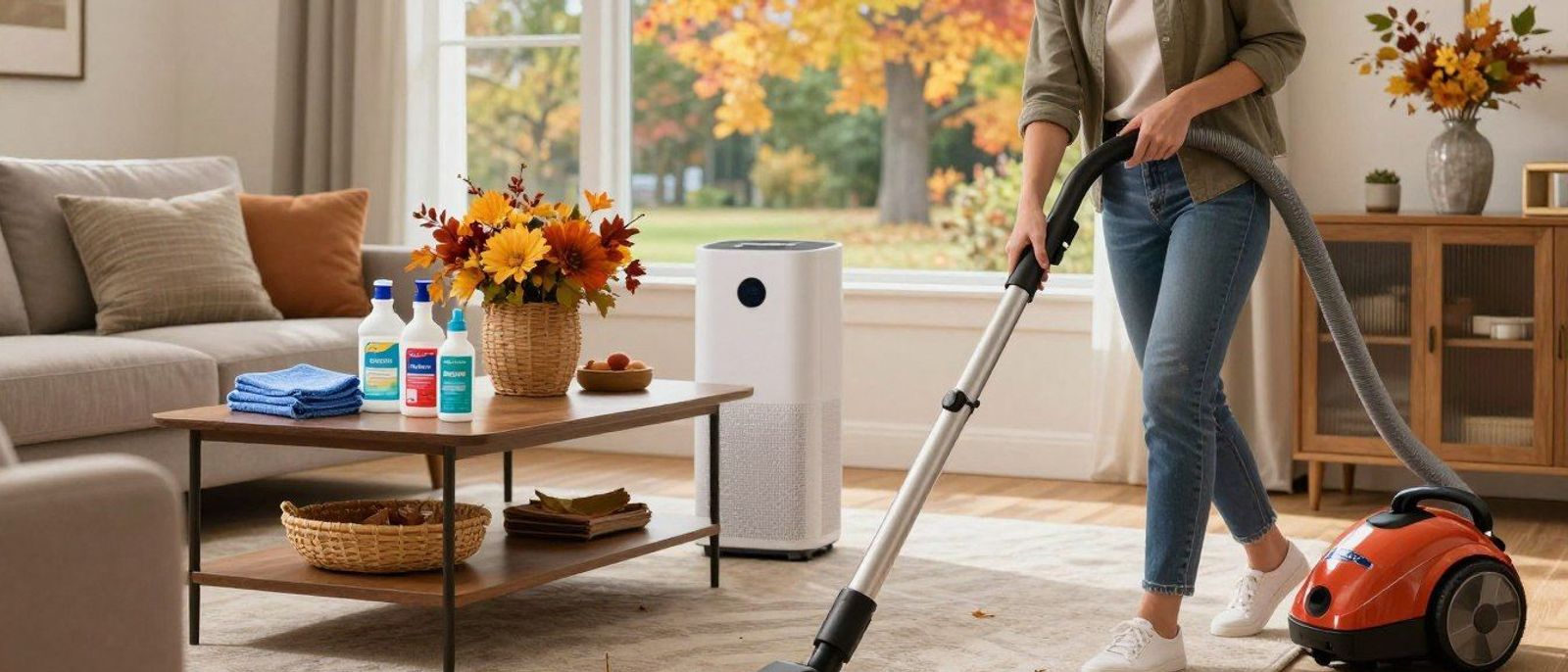
Use a HEPA filter in a room air cleaner or central system when possible. The Environmental Protection Agency notes that Certified Asthma & Allergy Friendly® filters can remove almost 98% of allergen particles from the air. Check small-particle filters monthly, then clean or replace them as needed.
Improve indoor air quality with HEPA filters and regular vacuuming
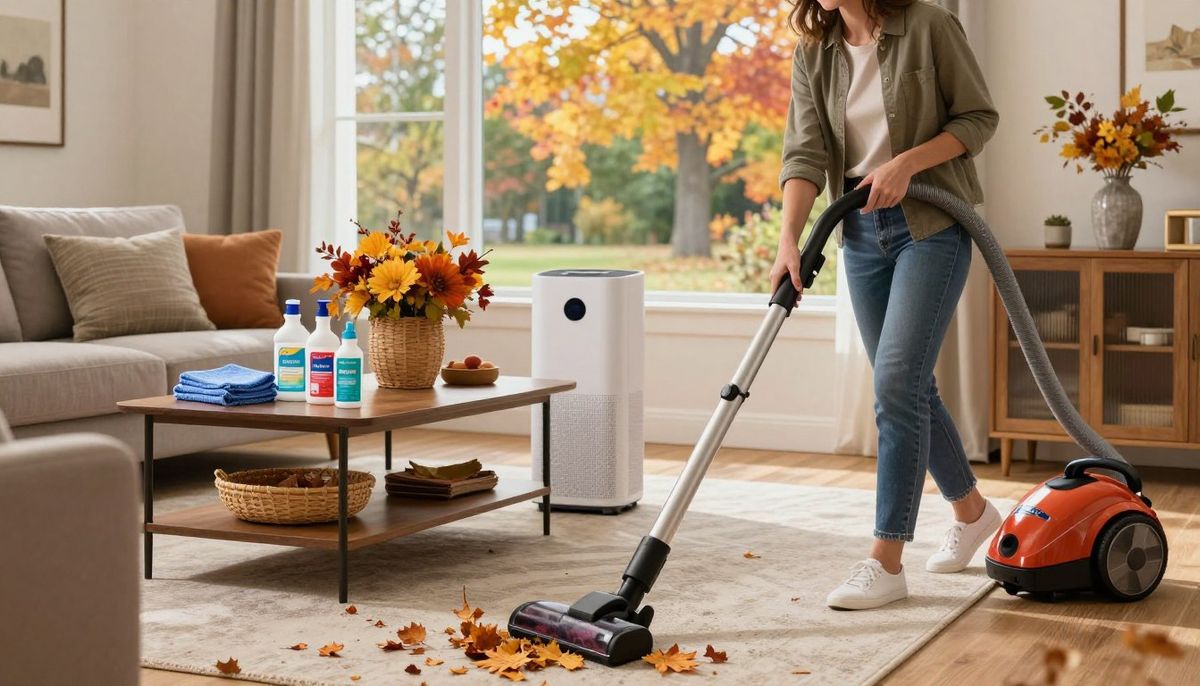
Vacuum carpet and rugs once or twice each week. Choose a vacuum with strong filtration so it captures pollen instead of releasing dust back into the air. Focus on entryways, where shoes bring in settled particles.
Clean entryways, floors, blinds, and curtains to capture pollen
Damp-wipe hard floors, blinds, and window sills. Wash curtains when the label allows. Bare floors, low-pile carpet, washable rugs, roll-down shades, and washable curtains leave fewer places for allergens to collect.
Reduce indoor allergens in bedrooms and living areas
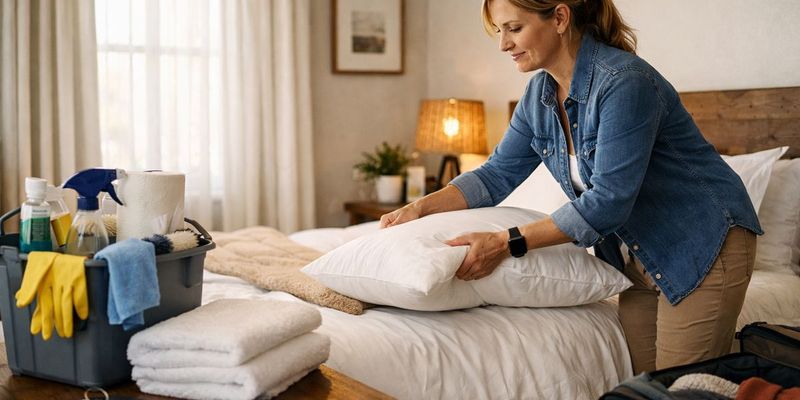
Bedrooms deserve priority because you spend about one-third of your time there. Dust, dust mites, and soft surfaces can build up near your bed, furniture, and carpet. A focused plan helps protect your home and supports easier breathing.
Wash sheets, bedding, uncovered pillows, and stuffed toys each week in water heated to at least 130°F. This temperature helps kill dust mites and other mites that live in fabric. Follow care labels, and dry each item fully.
Protect bedding and limit pet dander
Eight out of 10 people in the United States encounter dust mites. Use zippered covers on mattresses, pillows, and box springs to reduce contact. Encasements may work better than an air cleaner alone for reducing symptoms.
Choose bare floors in bedrooms when possible. Wash curtains, blankets, and pet furniture often, or use washable covers. Keep pets out of sleeping areas because dander comes from shed skin cells. Long-haired pets can also carry pollen inside.
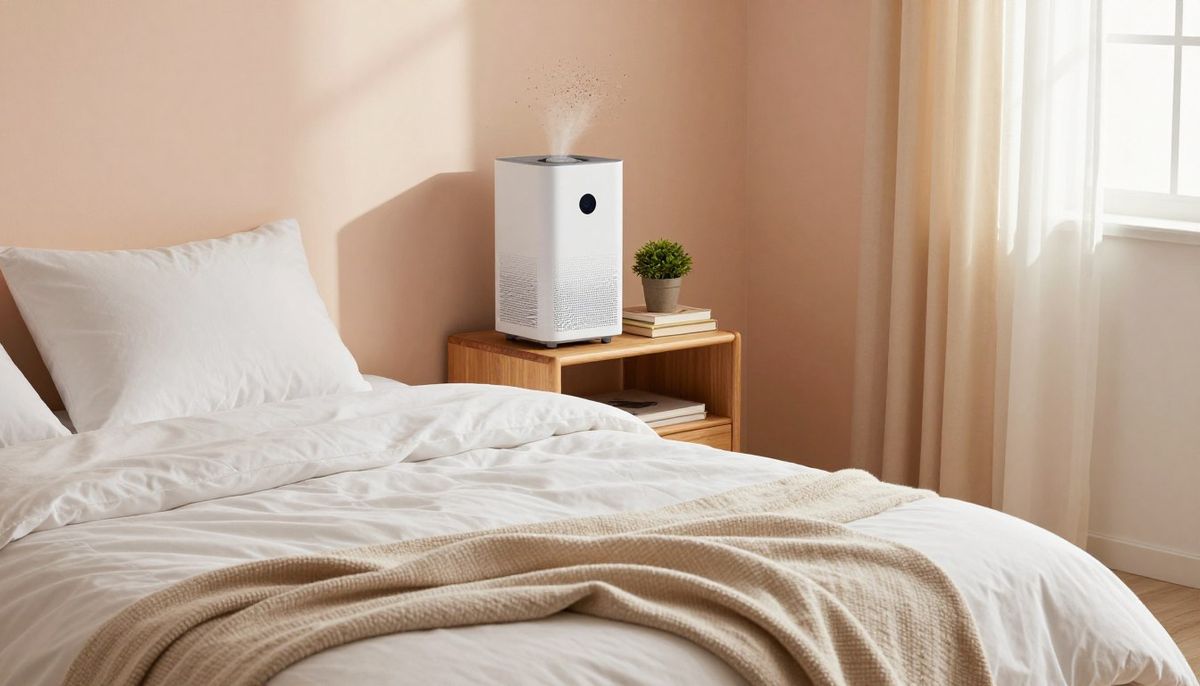
Wash favorite pet toys and limit upholstered furniture in the bedroom. For more ways to manage indoor allergens, use guidance from the Asthma and Allergy Foundation of America.
Control moisture, mold, and allergens in high-risk areas
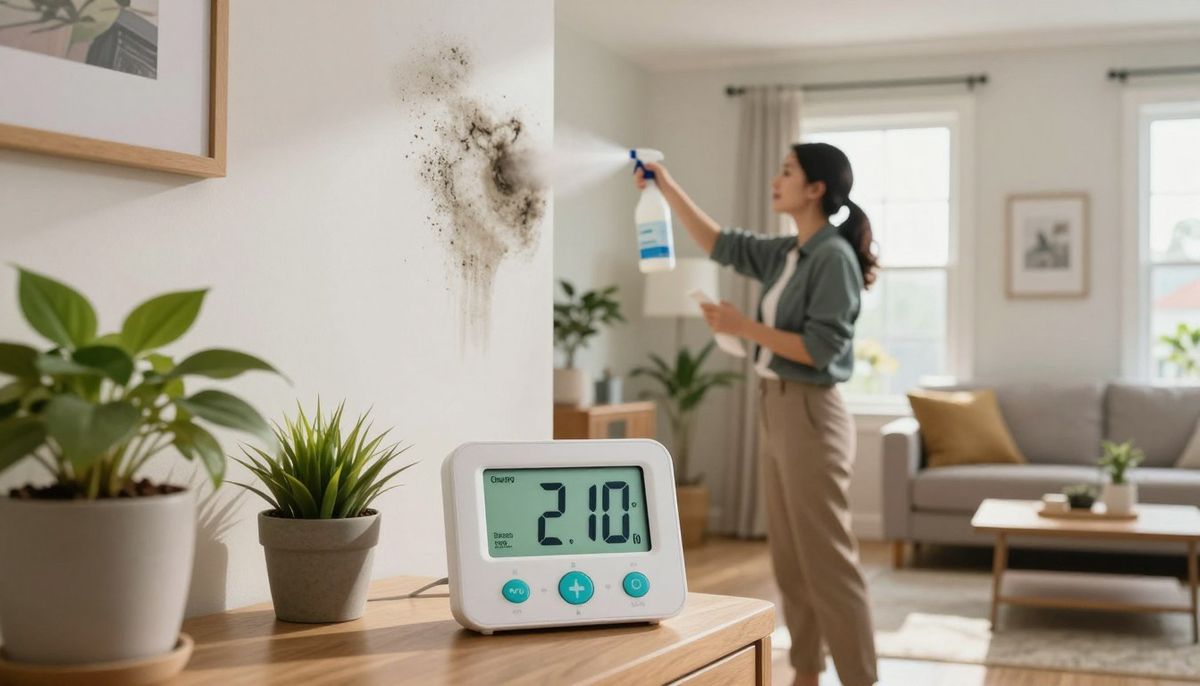
Hampton Roads homes face a warm, damp climate that can support mold and dust mites. Keep humidity between 30% and 50%, with an indoor temperature near 70°F. A humidity monitor, exhaust fan, or dehumidifier can help reduce moisture and support better air quality.
“Control moisture early, before mold gains a foothold.”
In the kitchen, wipe floors, cabinets, backsplashes, and appliances weekly. Use exhaust fans while cooking. Empty insect-proof garbage cans each day, seal food, and inspect pipes for water leaks.
In bathrooms, run the fan during short showers and dry tubs afterward. Choose washable rugs and mold-resistant finishes. Remove condensation promptly. For small mold spots, use ¾ cup chlorine bleach per gallon of water. Wear rubber gloves, and never mix bleach with other products.
Basements need extra care. Wear a mask and gloves around dampness, dust, rodents, or mold. Remove water-damaged carpet, clean dehumidifiers weekly, and discard vacuum bags outdoors. Persistent mold may worsen symptoms, trigger asthma, and affect indoor quality. Professional help is wise when mold returns.
Clearing ragweed season out of your home
Your Hampton Roads house can stay more comfortable with a steady routine. Keep windows closed during high pollen periods, use recirculating air conditioning, and run HEPA filters to reduce outdoor allergens. Wipe hard surfaces often, and replace each filter on schedule. A fresh filter helps your system work efficiently.
Wash bedding weekly in water at 130°F or hotter. Use mattress covers, and keep pets out of bedrooms to limit dust mites and dander. These steps help control common indoor triggers.
Keep indoor humidity between 30% and 50%. Repair leaks quickly, dry damp areas, and watch for mold. Certified Asthma & Allergy Friendly® products may support your routine, but removing sources remains the best control.
If symptoms or asthma continue, use the AAAAI Find an Allergist / Immunologist service for professional guidance.